General Observations
In February and September 2025 I visited Uganda to oversee our projects. This was a year of uncertainty and loss for Uganda, as aid from the US was cut for many basic and essential health and education programs. Many workers lost their jobs and with it, the opportunity to care for their families. Those in poverty, and those displaced who relied on aid programs, were cut off from services they relied on. For more context, see the Guardian article at https://www.theguardian.com/world/2025/aug/25/uganda-usaid-cuts-photo-essay
This turn of events has increased the need for support as more children have been made vulnerable. With the help of our donors and supporters, we will continue to advance our mission of helping those in need. We will work to increase our reach to help fill these gaps. We can’t do this alone and rely largely on our Canadian donors and supporters to join us in closing these gaps.
Our Impact
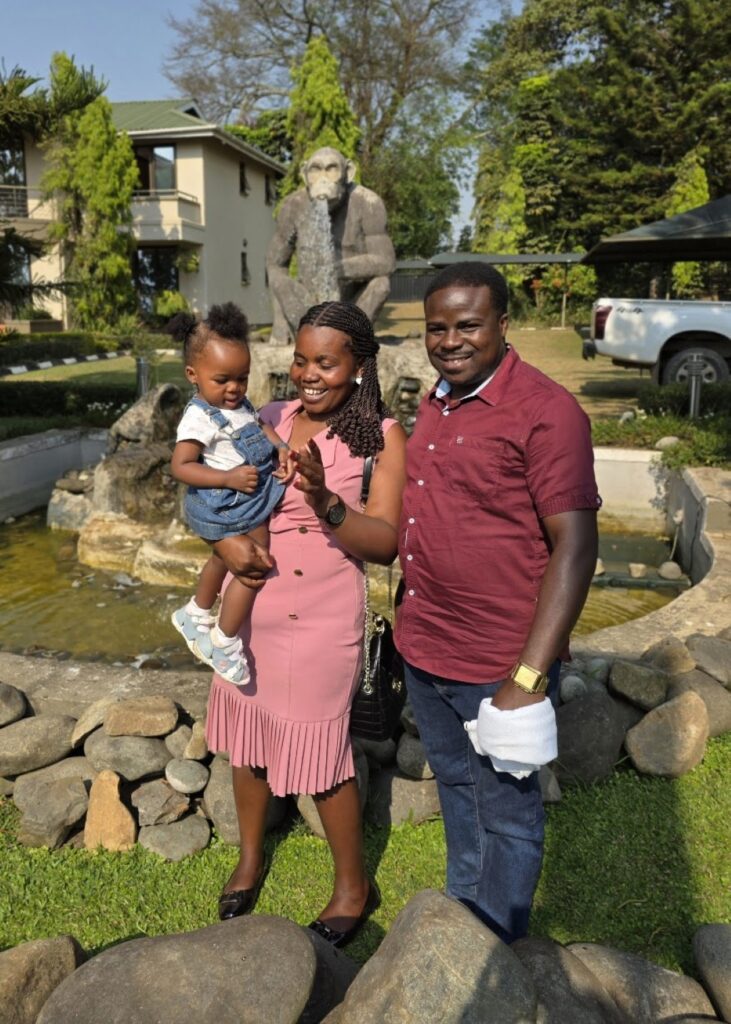
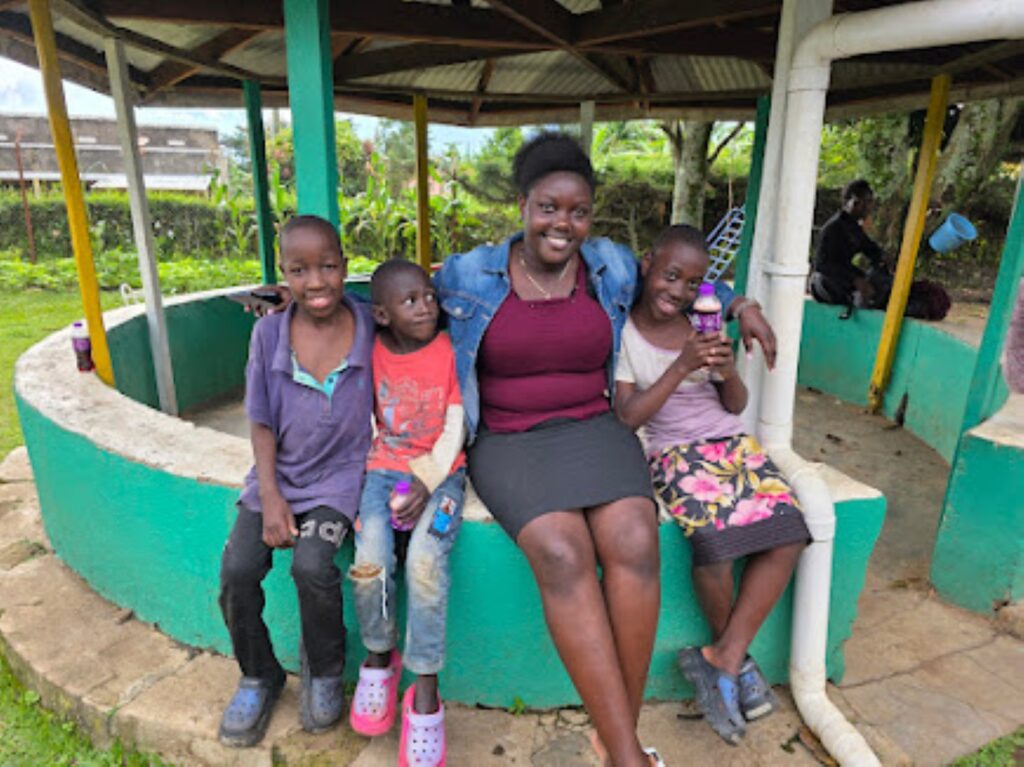
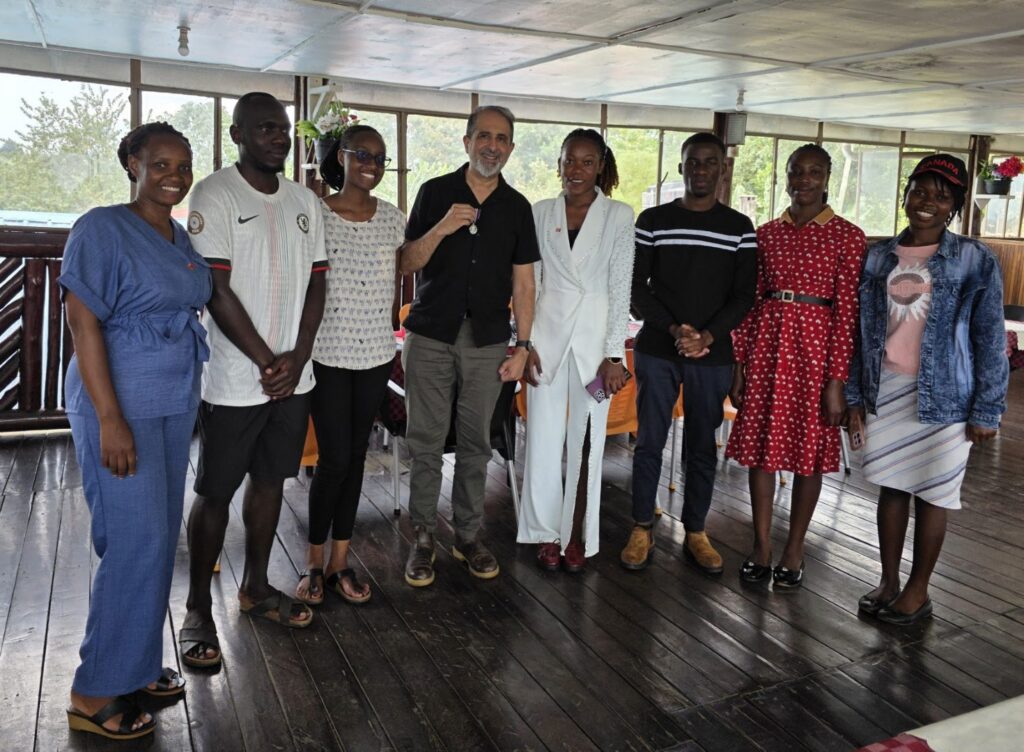
As we come to the end of our 17th year of operations in Uganda, we’ve seen many of our supported orphaned and vulnerable youth become successful professionals – lawyers, judges, clinicians, nurses, teachers, engineers, business majors, electricians, and mechanics. These amazing people have started families and are moving forward in hope and confidence in the future for themselves and their families. Many of our HEAL alumni are now giving back by mentoring other HEAL students and providing technical and operational support on the ground. We are proud of them and want to thank you all for enabling their success.
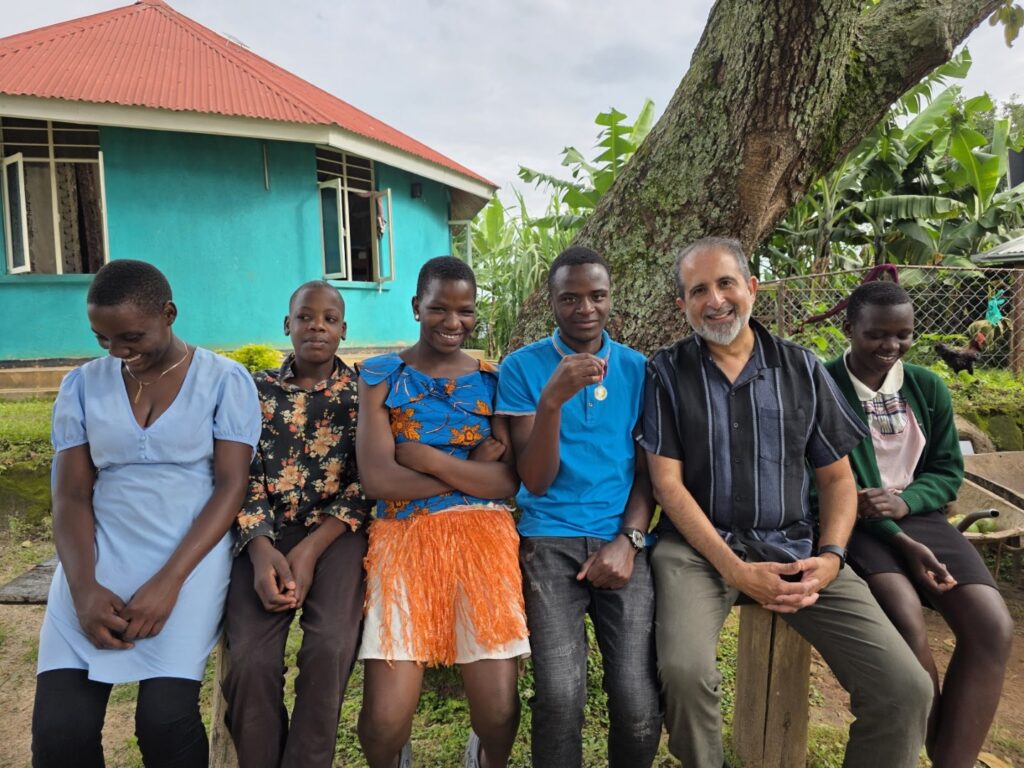
Below are some photos of our graduates (and the next generation).



Improving the Quality of Education in Rural Schools.
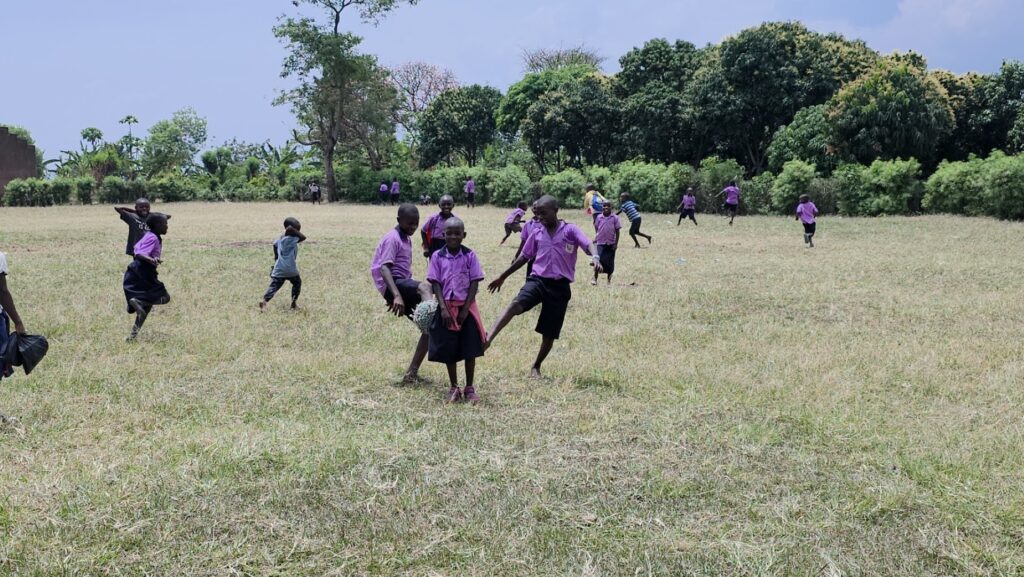
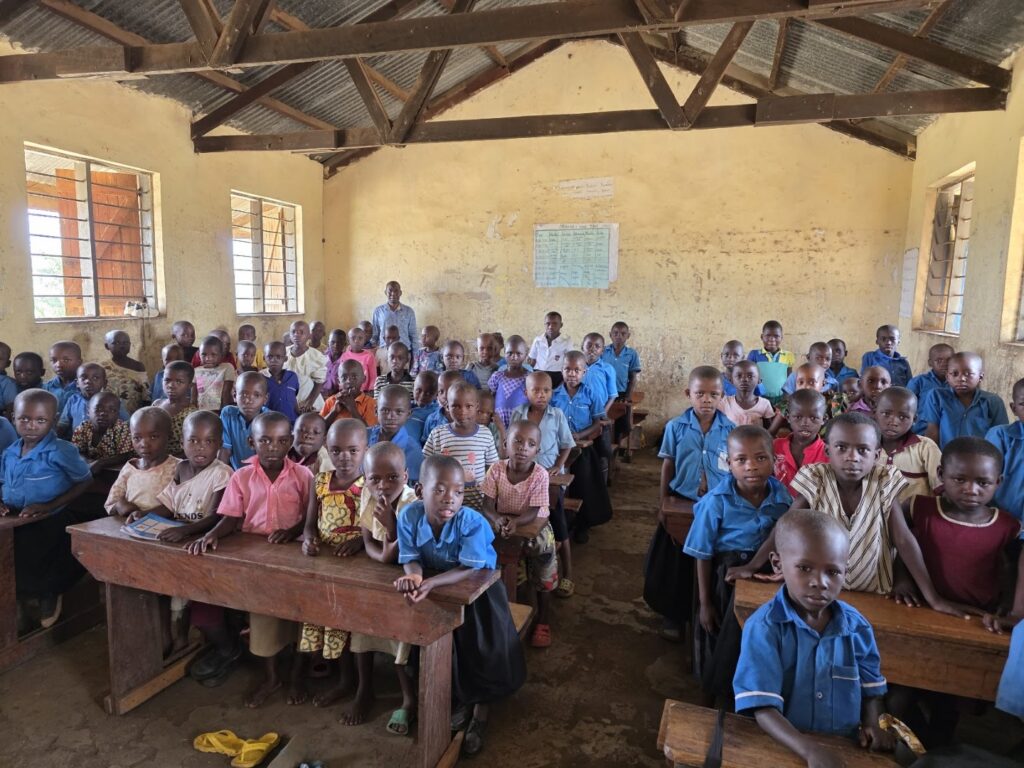
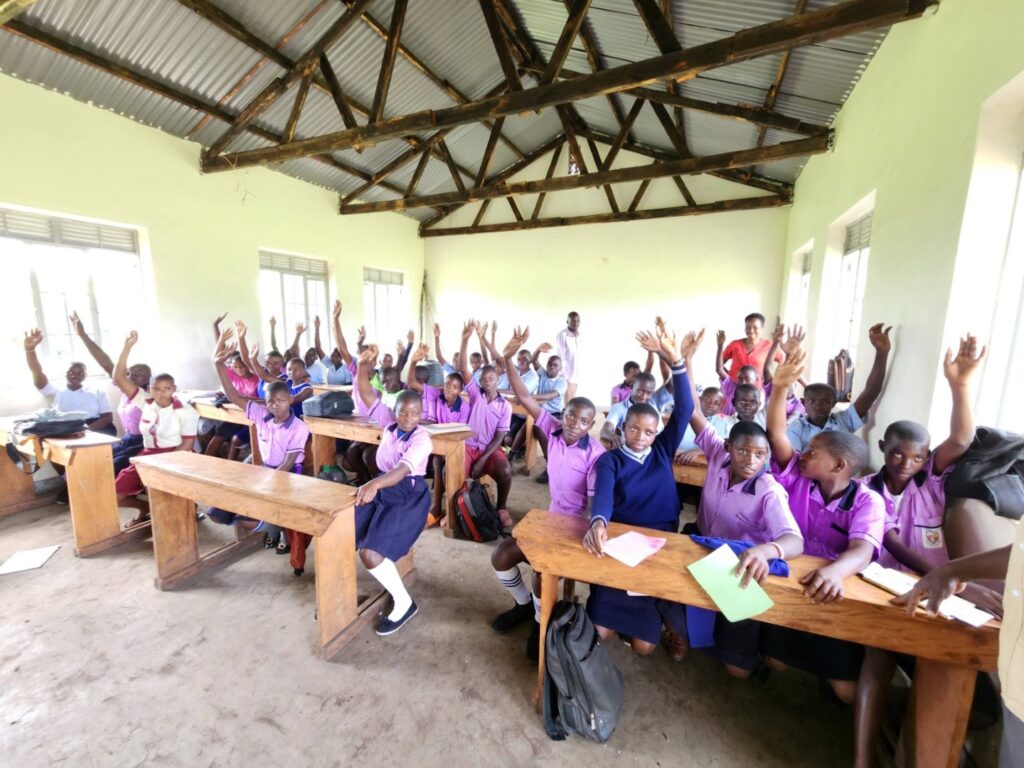
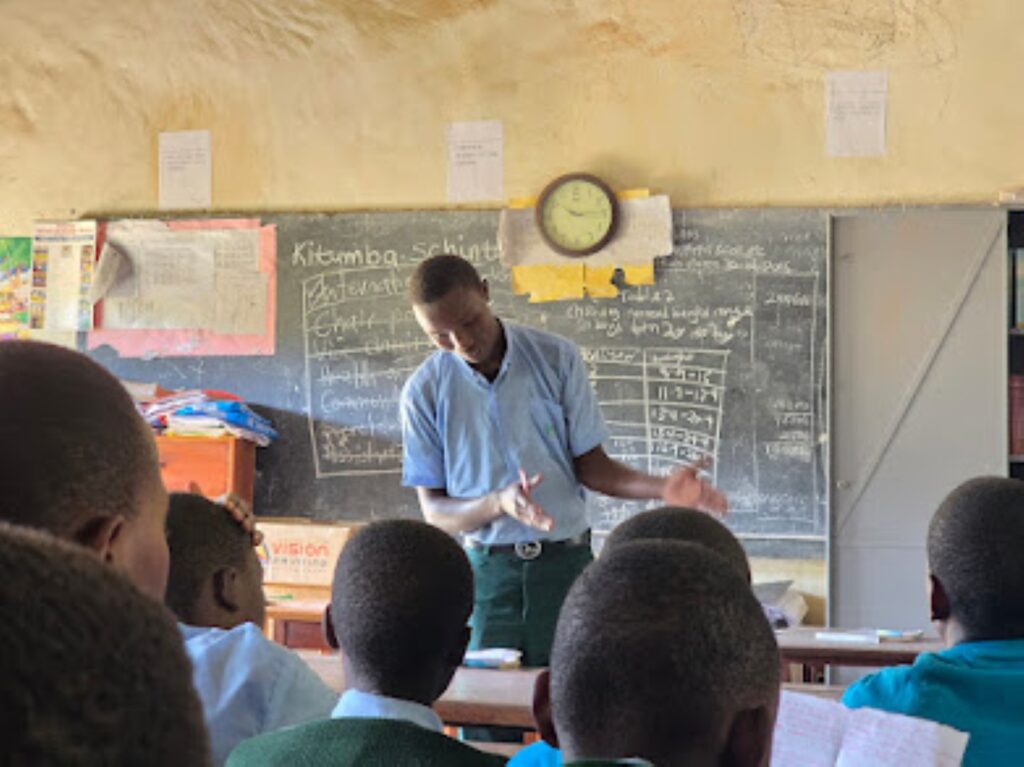
Our Learning Beyond Borders (LBB) program links Canadian youth with students from rural primary schools in Uganda. Every year, LBB clubs at the University of Calgary and University of Alberta organize fundraising for school supplies, sports supplies and exchange pen pal letters. As a result of LBB efforts, these Ugandan students have consistently outperformed their peers in nearby rural schools.


Delivering Essential Health Education
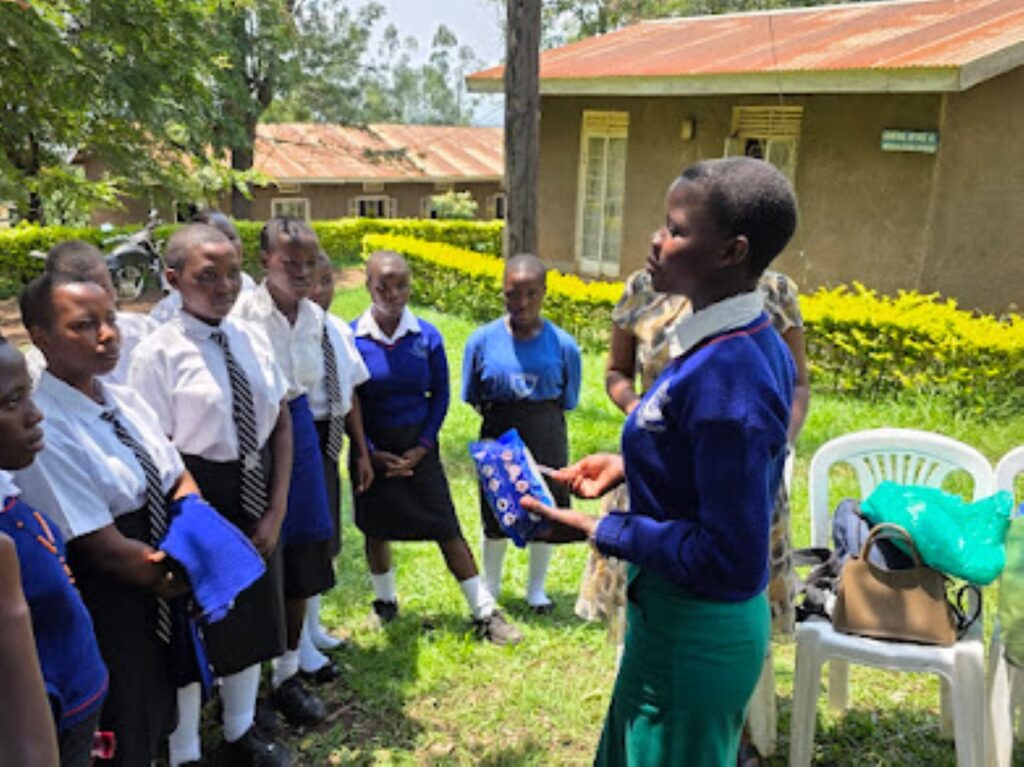
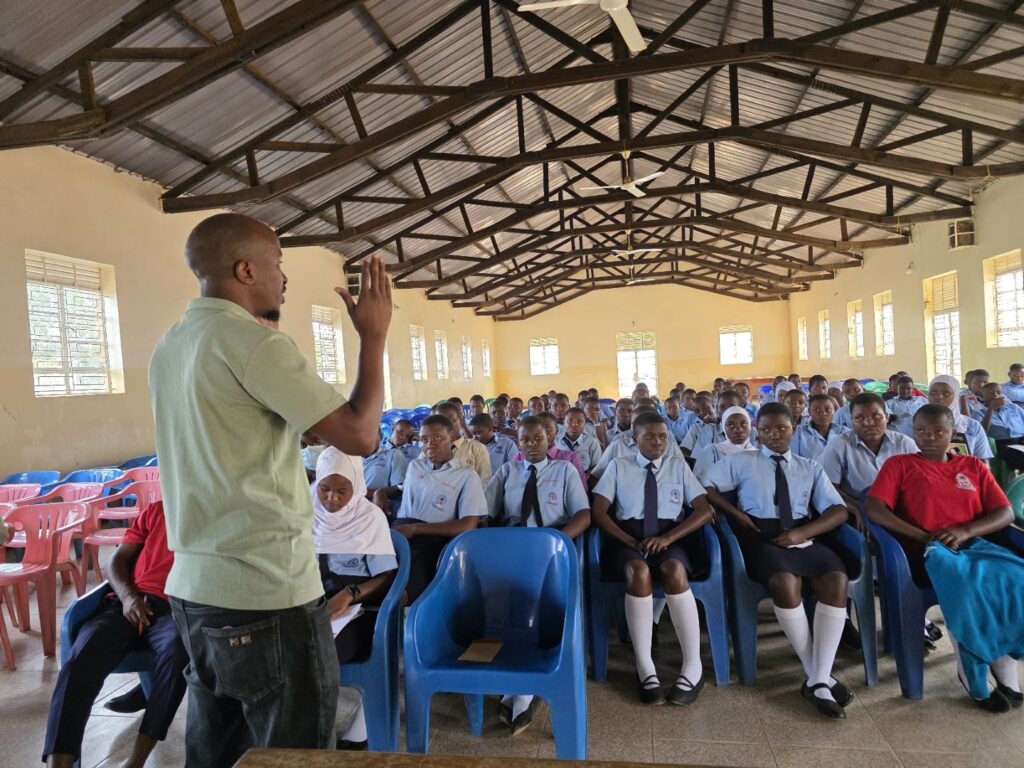
Our Peer Education Rwenzori (PER) program provides supervised peer-to-peer learning with support from local government and respected local NGOs such as Reproductive Health Uganda and the YAWE foundation. We continue to deliver our mental health, sexual and reproductive health and oral hygiene curriculums to help students remain healthy and in school. This learning has helped our students avoid Sexually Transmitted Illnesses (STIs) and early pregnancy, rates of which have been increasing in the general area. At the beginning of the year, I had the pleasure of attending the annual meeting of the Board of Trustees of PER where volunteer leaders from the community and schools came together to plan for this year’s activities.


Providing Access to Education for Orphaned and Vulnerable Youth
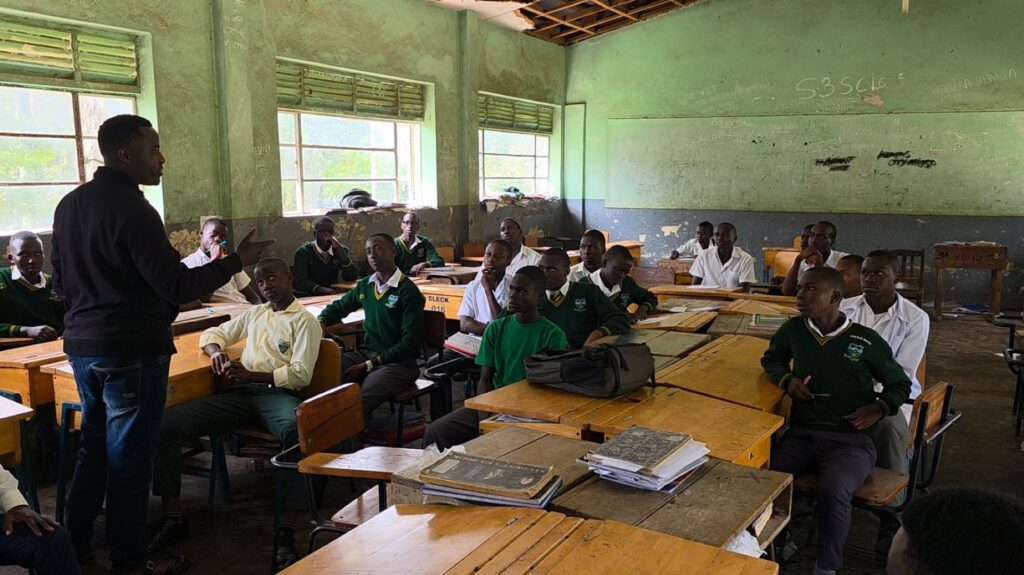
Our biggest endeavor is to help orphaned and vulnerable children access education. This past year, we supported over 200 children through school fees, academic help, and for those who needed it, one-on-one mentorship by graduates of our program. Many of these students have faced hardship before joining our program, and our work aims to give them renewed confidence in themselves and their future.
This year marks our largest group to date for those pursuing bachelor’s degrees at universities. Historically, most students did not qualify for tertiary studies immediately after secondary school; however, our mentorship and career guidance initiatives have motivated more individuals to excel academically and pursue higher qualifications than in previous years. We still continue to support diploma and certificate students, and remain committed to providing opportunities for learners of all backgrounds and interests.

School Construction
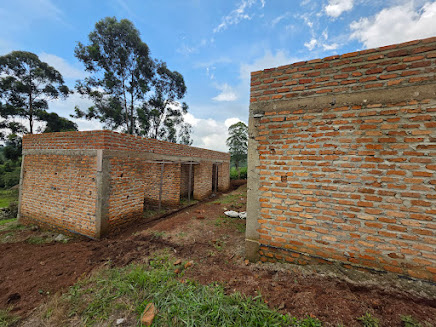
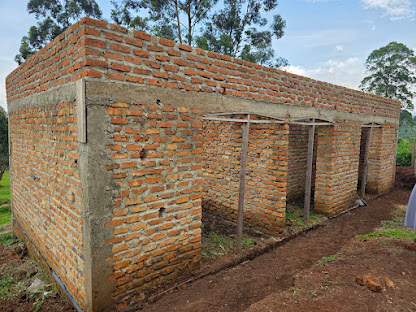
In 2019, we completed the construction of St. Lawrence Secondary School in a rural region of western Uganda. Since its completion, the school has been administered by the local community, which oversees operations through school fees and local contributions. Our role has focused on providing technical assistance, educational resources – including textbooks, computers, and related equipment – and bursaries. In the previous year, the school identified the need for on-site accommodation for teachers residing at considerable distances. HEAL International matched funds from a local fundraising drive to support this initiative, and construction is currently underway. This project underscores our belief in supporting teachers in order to improve the quality of teaching. A teachers’ residence reduces the burden of travel to and from school and serves as a valuable incentive for recruitment and retention.


Nurturing Partnerships
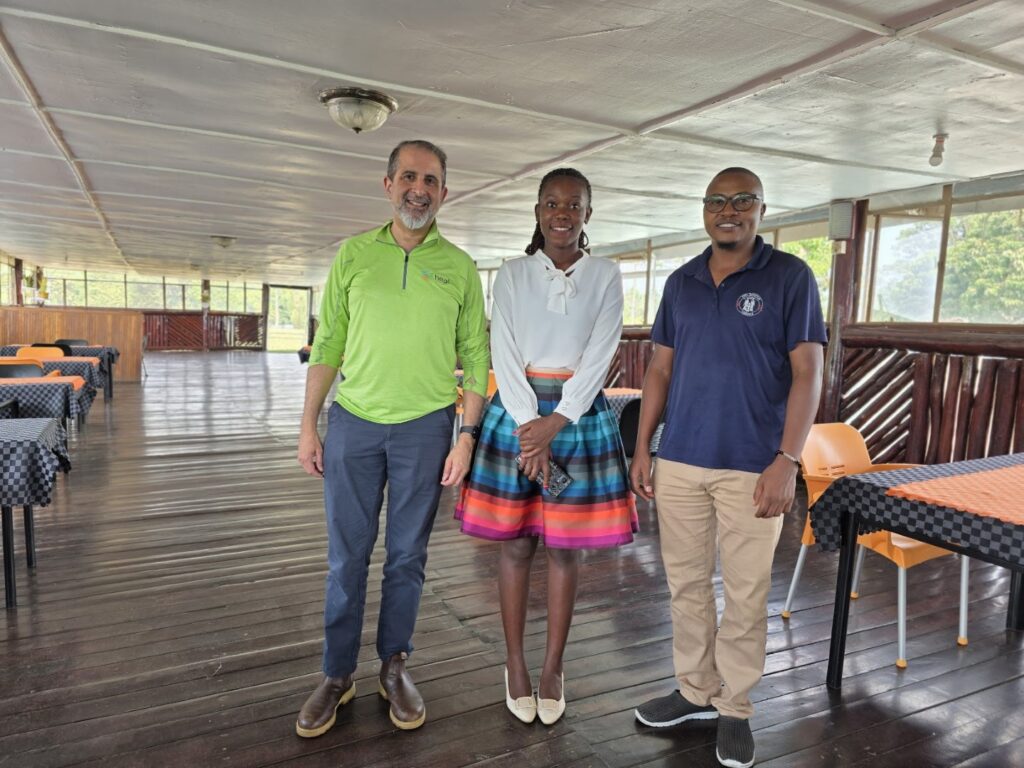
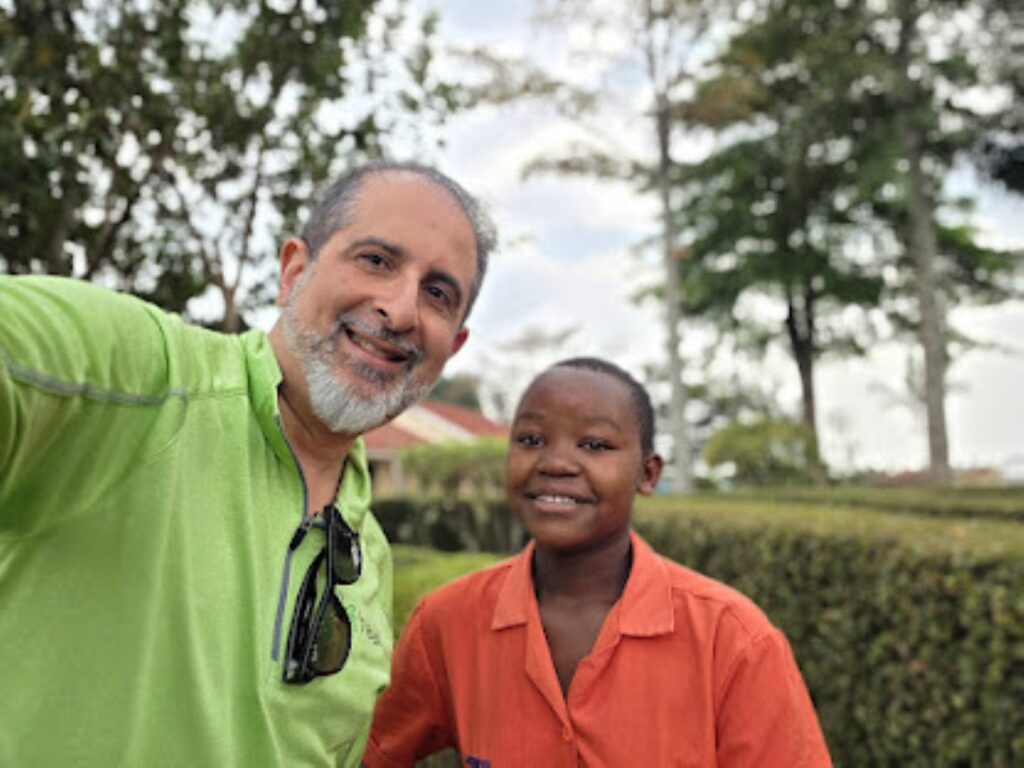
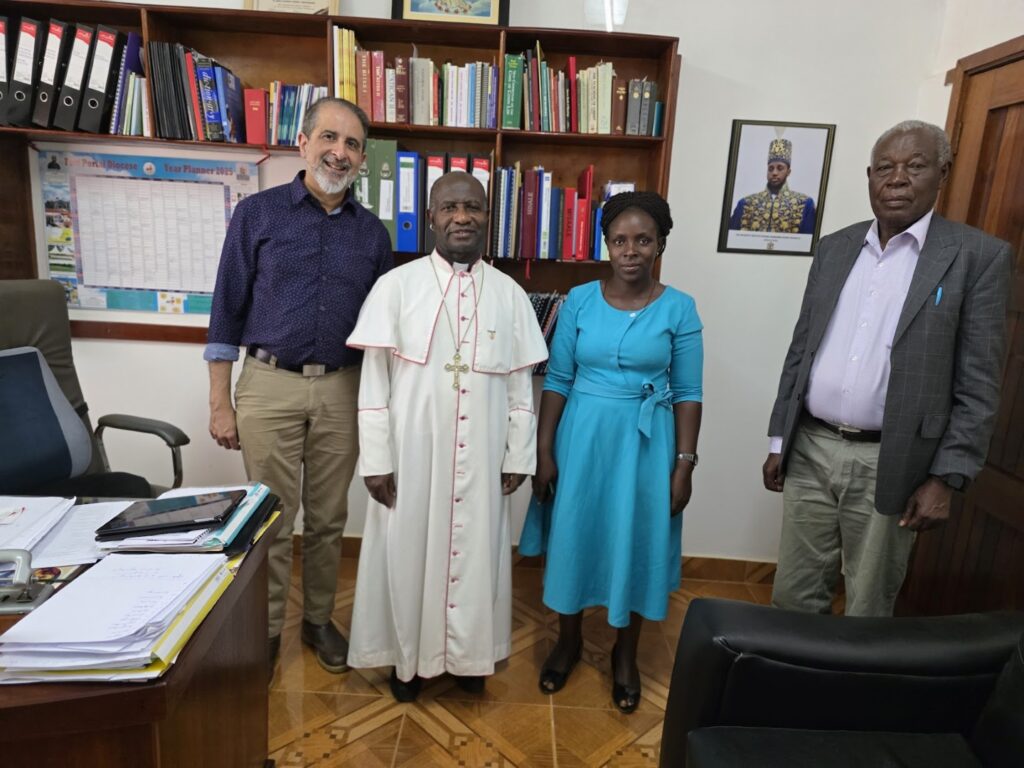
An important part of our work is building and nurturing partnerships on the ground to ensure that our programs remain relevant, recognized and supported. During each visit, I try to meet leaders in the community to seek their advice and to allow us to open doors to needed resources and approvals. This year, I had the pleasure of meeting with the Bishop of the Rwenzori Diocese and the former Attorney General of Uganda, both of whom have offered to support our work. Our long-standing partnership with Carol Adams from YES Uganda helps us identify those in need and ensure the right support reaches them. I also seek mentors for our students, especially professionals like physicians that I’ve connected with through Rotary.
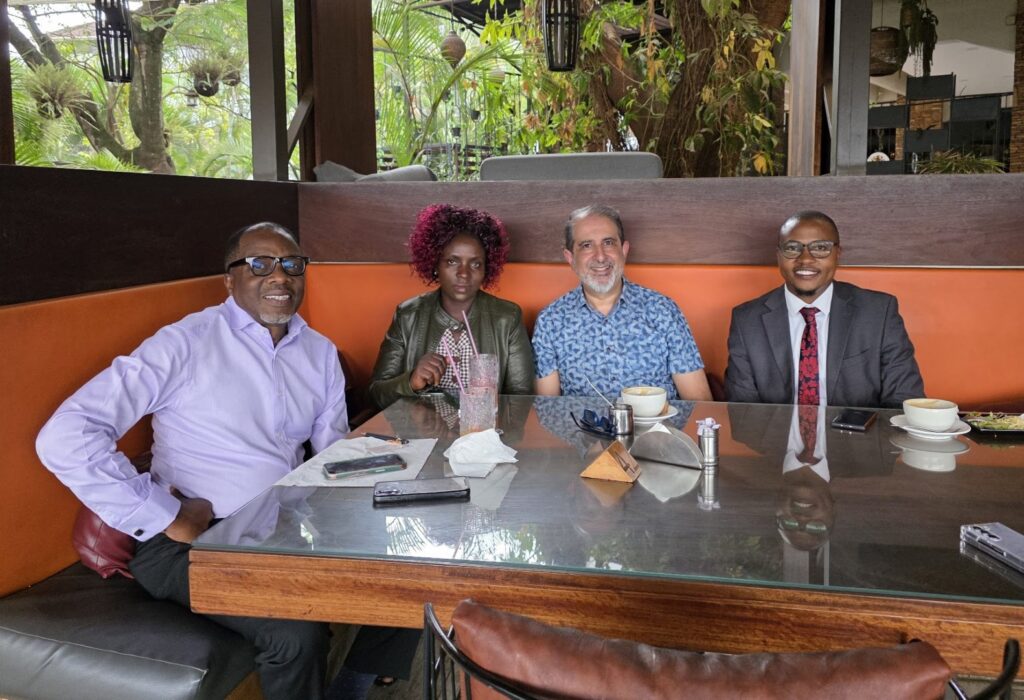

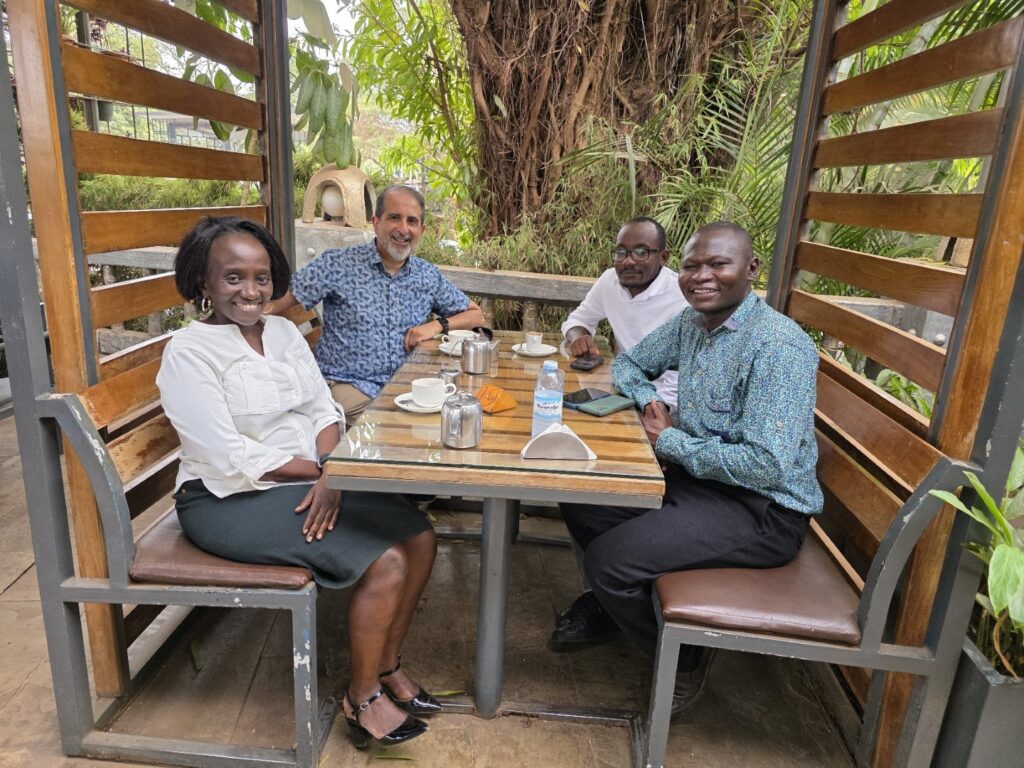
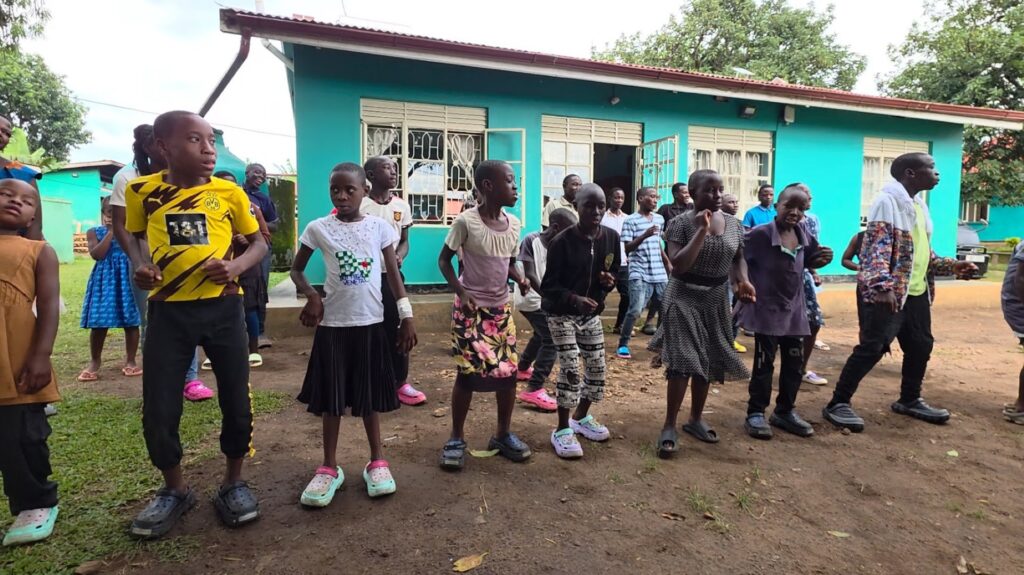
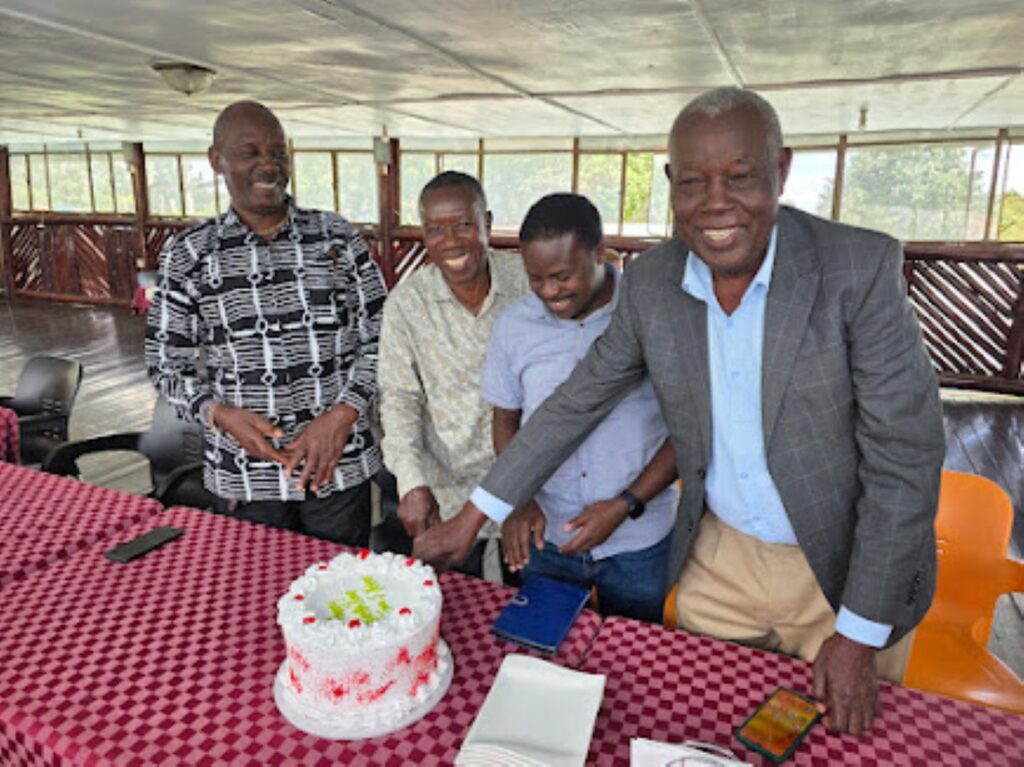
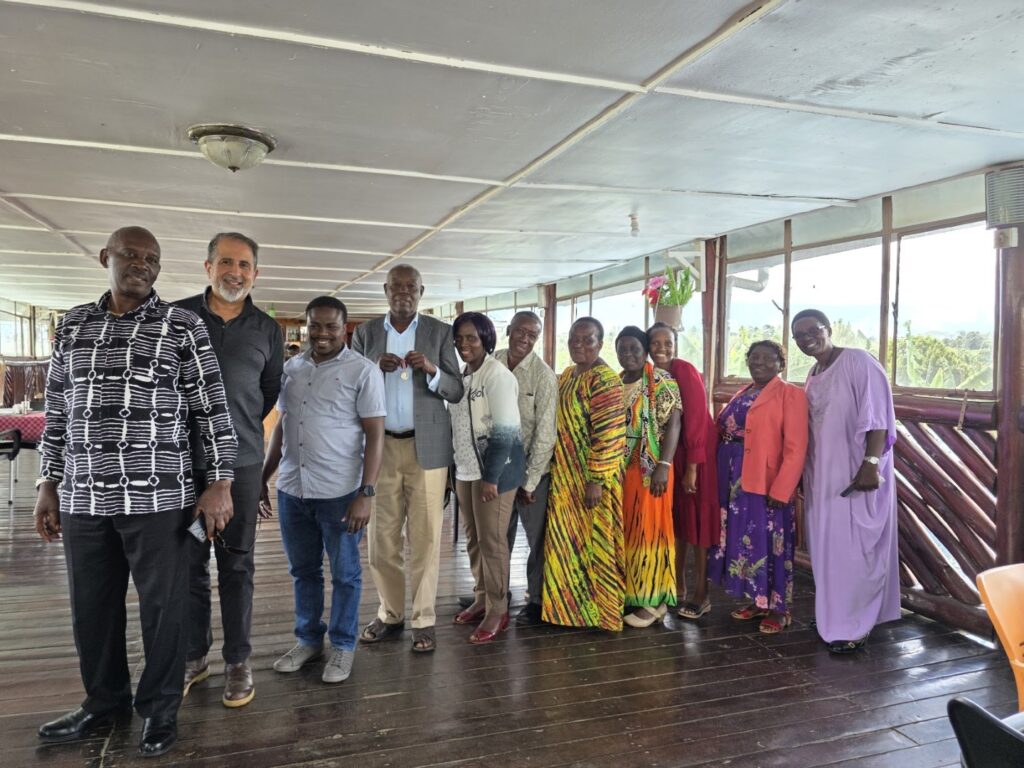
Our local volunteers in Uganda are an important foundation of our program. HEAL International is sometimes the envy of other organizations since we are able to mobilize considerable volunteer support. This comes from creating programs and initiatives that resonate with the local population and where locals feel the opportunity to contribute to meaningful impacts on the ground. This trip, I had a chance to celebrate some birthdays.
I cannot do any of the work I need to without transportation, and for the past 20 years (predating my time with HEAL International), I’ve had my trusty Mitsubishi Pajero help me traverse the rough rural terrain where paved roads are a luxury. After 500,000 km, Mzee Pajero, as he’s affectionally known to locals, will be retiring this year and I’ll be looking at renting a different vehicle. Hopefully the next one will be as reliable and recognizable as the old Mzee!

Profiles of the youth we’ve supported
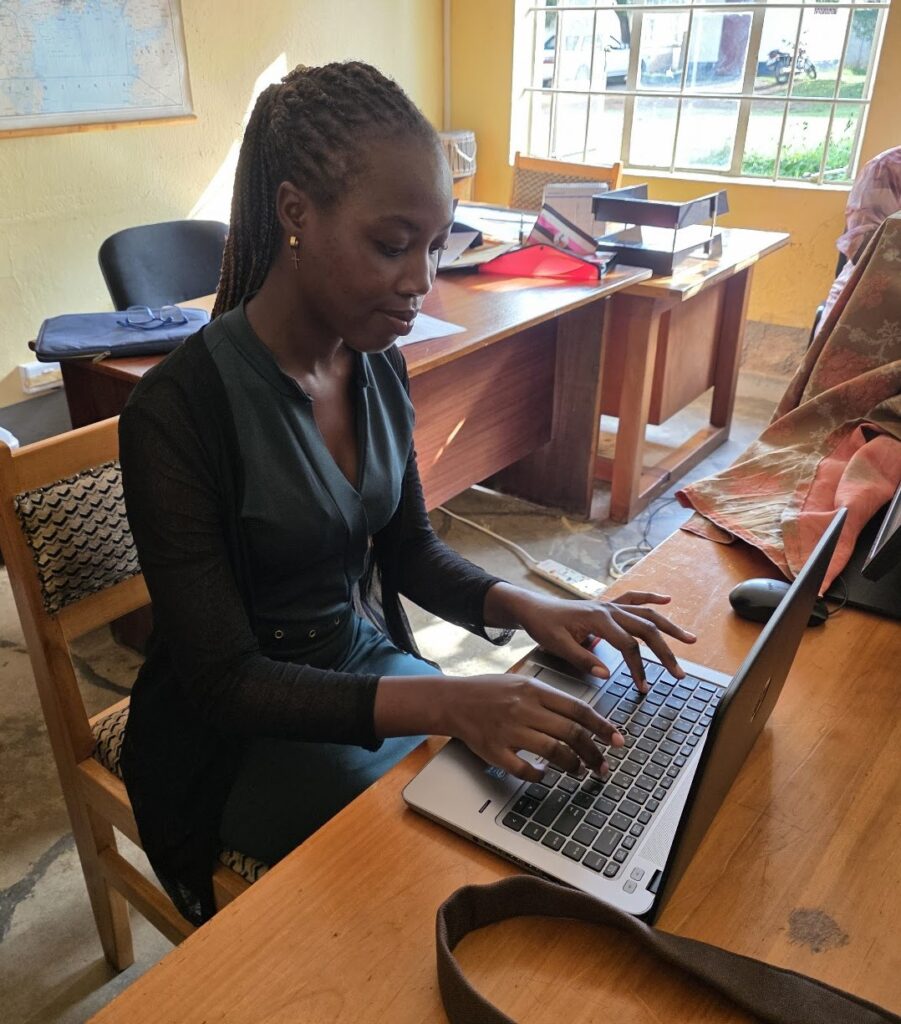
Current HEAL Student – Sophia
Sophia graduated from St. Lawrence Secondary School, which we built to completion in 2019. Having lost her father, she was raised by her mother, who relied on odd jobs and homegrown food. With financial support and mentorship from HEAL International, Sophia excelled academically and is now in her first year of a Bachelor’s in Education.
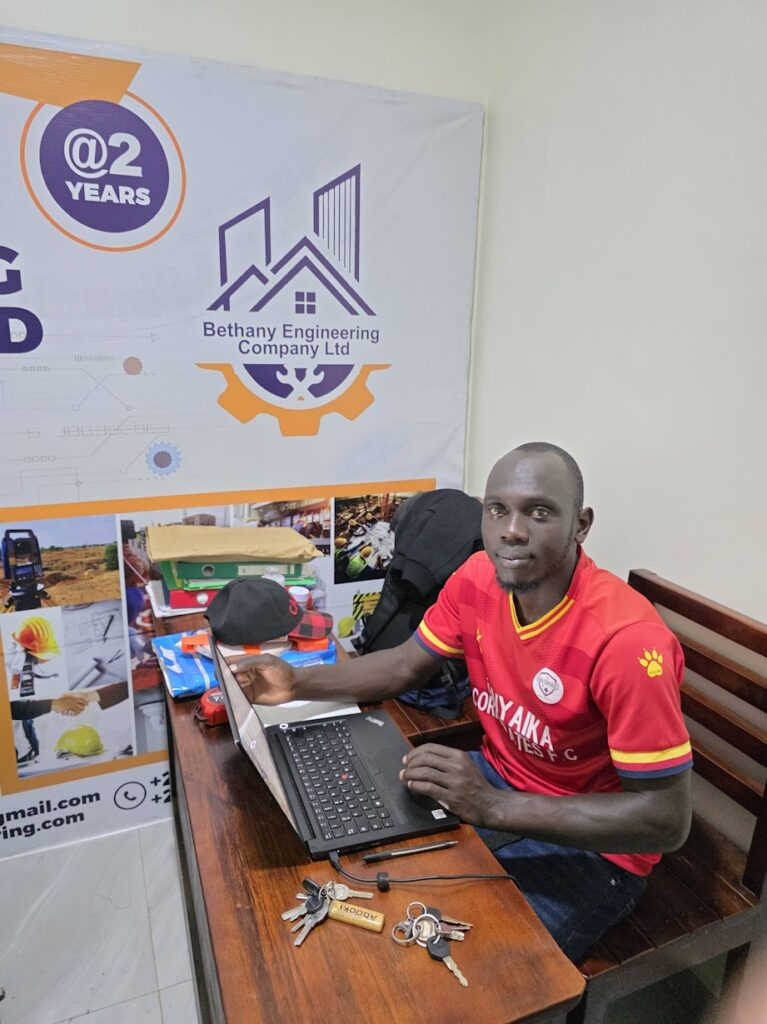
Former HEAL Student – Iddi
Iddi joined our program after primary school when his father, a low-level trader, struggled to support his education. Excelling in secondary school, Iddi earned a diploma in Civil Engineering from a respected institution and now works at an engineering firm. He volunteered as a mentor during his studies and now provides technical support to HEAL International’s construction initiatives.
We thank all of our donors, supporters, and volunteers in Canada and Uganda for helping create these stories of resilience and hope!